
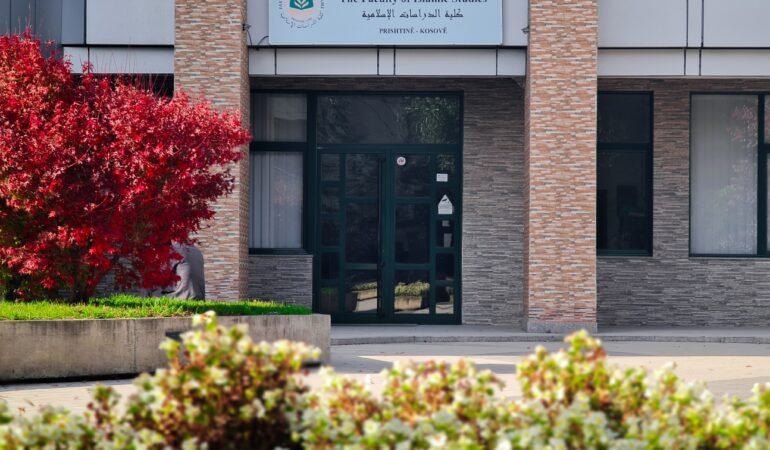
Në bazë të rregullorës nr. 02/24 të datës 22.07.2024 për studime master ju bëjmë me dije se ekzemplari i punimit master të kandidatit Samir GJONOVIQ me titull: “ISLAMI DHE LIRIA E BESIMIT TË MUSLIMANËVE NË MAL TË ZI” gjindet në bibliotekën e Fakultetit dhe të interesuarit mund ta shfletojnë deri më datë 27.03.2026.
ABSTRAKTI
NGA: Samir GJONOVIQ
Mentori: Prof. ass. dr. Zija Abdullahu
Mali i Zi ka qenë historikisht në udhëkryq të multikulturalizmit dhe gjatë shekujve është themeluar një formë unike e bashkëjetesës mes popullatës myslimane dhe të krishtere. Të krishterët qenë historikisht anëtarë të Kishës ortodokse serbe (të qeverisur nga Metropolitani i Malit të Zi dhe Bregdetit). Sot Krishterimi Ortodoks mbetet feja më e përhapur në vend e ndjekur kryesisht nga malazezët dhe serbët ortodoksë. Gjatë tensioneve të intensifikuara midis grupeve fetare gjatë luftës civile (1991- 1995) në Bosnje dhe Hercegovinë, Mali i Zi ka mbetur mjaft i qëndrueshëm gjatë këtyre tensioneve kryesisht për shkak se popullsia e tij ka një perspektivë historike mbi tolerancën fetare dhe diversitetin e besimit. Institucionet fetare në Mal të Zi kanë të drejta të garantuara dhe janë të ndara nga shteti. Feja e dytë më e madhe është Islami, që përbën 19% të popullsisë së përgjithshme të vendit.
Fjalët kyçe: Islam, fe, kulturë, Mali i Zi, bashkëjetesë, histori, dialog ndërfetar, harmoni.
ABSTRACT
BY: Samir GJONOVIQ
Mentor: Prof. ass. dr. Zija Abdullahu
Montenegro has historically been at the crossroads of multiculturalism and over the centuries a unique form of coexistence between its Muslim and Christian populations has been established. Christians have historically been members of the Serbian Orthodox Church (governed by the Metropolitan of Montenegro and the Littoral). Today Orthodox Christianity remains the most widespread religion in the country, followed mainly by Montenegrins and Orthodox Serbs.
During the intensified tensions between religious groups during the civil war (1991-1995) in Bosnia and Herzegovina, Montenegro has remained relatively stable during these tensions mainly because its population has a historical perspective on religious tolerance and diversity of belief. Religious institutions in Montenegro have guaranteed rights and are separate from the state. The second largest religion
is Islam, which constitutes 19% of the country’s total population.
Keywords: Islam, religion, culture, Montenegro, coexistence, history, interfaith dialogue, harmony.
Prishtinë, 17.03.2026