
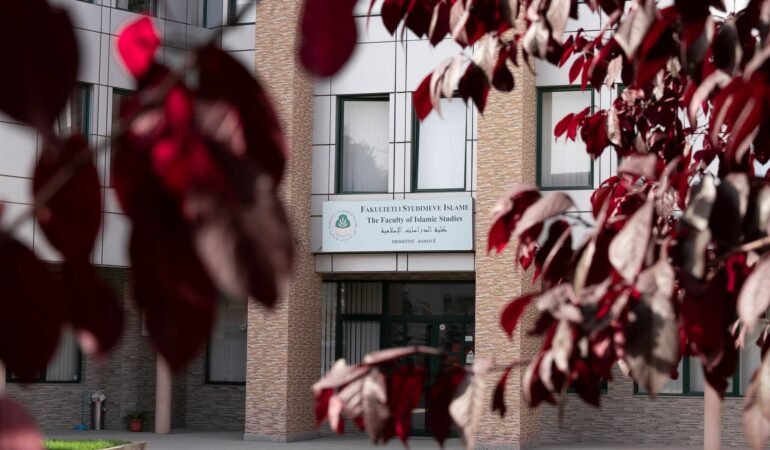
Në bazë të rregullorës nr. 02/24 të datës 22.07.2024 për studime master ju bëjmë me dije se ekzemplari i punimit master të kandidatit Mehas ALIJA me titull: “DIALOGU NDËRFETAR NË ZVICËR NË MES VITEVE 2000-2010 – KARAKTERISTIKAT, ARRITJET DHE SFIDAT” gjindet në bibliotekën e Fakultetit dhe të interesuarit mund ta shfletojnë deri më datë 14.10.2026
ABSTRAKT
NGA: Mehas ALIJA
Mentori: Prof. ass. dr. Rexhep Suma
Ky punim trajton dialogun ndërfetar në Zvicër në periudhën 2000-2010, ku me theks të veçantë trajton rëndësinë, format dhe rolin e institucioneve zvicerane në zhvillimin e dialogut ndërfetar, duke i veçuar komunitetet muslimane dhe qytetin e St.Gallenit, si trajtim lokal i bashkëjetesës ndërfetare. Problemi kryesor që shqyrtohet është se si muslimanët, në një periudhë debatesh të forta publike mbi integrimin, Islamin, minaret, shaminë dhe përfaqësimin fetar, u bënë njëkohësisht objekt diskutimi dhe partner në dialogun ndërfetar.
Hulumtimi mbështetet në literaturë shkencore, raporte institucionesh, dokumente të organizatave ndërfetare dhe intervista me aktorë të përfshirë në këtë fushë. Metoda është kryesisht analitike dhe përshkruese, me elemente të studimit të rastit.
Rezultatet tregojnë se dialogu ndërfetar në Zvicër ka ndihmuar në njohjen reciproke, në krijimin e strukturave lokale dhe në pjesëmarrjen publike të muslimanëve, por nuk ka arritur t’i tejkalojë plotësisht paragjykimet, pabarazitë institucionale dhe tensionet politike rreth Islamit.
Fjalët kyçe: dialog ndërfetar; Islami në Zvicër; komunitetet muslimane; integrim; pluralizëm fetar.
ABSTRACT
BY: Mehas ALIJA
Mentor: Prof. ass. dr. Rexhep Suma
This paper examines interreligious dialogue in Switzerland during the period 2000-2010, with particular emphasis on the importance, forms, and role of Swiss institutions in the development of interreligious dialogue, while highlighting the Muslim communities and the city of St. Gallen as a local case study of interreligious coexistence. The main issue addressed is how Muslims, during a period of intense public debates on integration, Islam, minarets, the headscarf, and religious representation, became simultaneously both the subject of public discussion and a partner in interreligious dialogue.
The research is based on academic literature, institutional reports, documents of interreligious organizations and interviews with actors involved in this field. The method is mainly analytical and descriptive, with elements of a case study.
The findings show that interreligious dialogue in Switzerland contributed to mutual understanding, the creation of local structures and the public participation of Muslims. However, it did not fully overcome prejudices, institutional inequalities and political tensions surrounding Islam.
Keywords: interreligious dialogue; Islam in Switzerland; Muslim communities; integration; religious pluralism.
Prishtinë,
07.10.2026